What Makes High-Performance Shotgun Ammo Worth It?


- Consistency Starts with Better Components
- Pattern Quality Matters More Than Most Shooters Realize
- Recoil Isn’t Just About Comfort
- Cleaner Ammunition Means Less Maintenance
- Why Antimony Matters in High-Performance Shotgun Ammo
- High-Performance Ammo Often Performs Better in Harsh Conditions
- Is High-Performance Shotgun Ammo Worth the Cost?
- The Real Difference
At first glance, most shotgun shells can look pretty similar. They all go bang. They all throw shot downrange. And if you’re standing in the aisle comparing box prices, it’s easy to wonder if high-performance shotgun ammunition is worth the extra money.
The truth is the difference between budget and high-performance shotshells is usually not found in flashy velocity numbers or packaging – it is found in the details you can feel on the range and see in the field. Better consistency, cleaner patterns, smoother recoil, and higher-quality components all contribute to a shell that performs more predictably when it matters most.
So, what exactly separates high-performance shotgun ammo from the rest?
Consistency Starts with Better Components
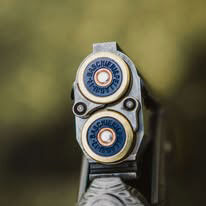
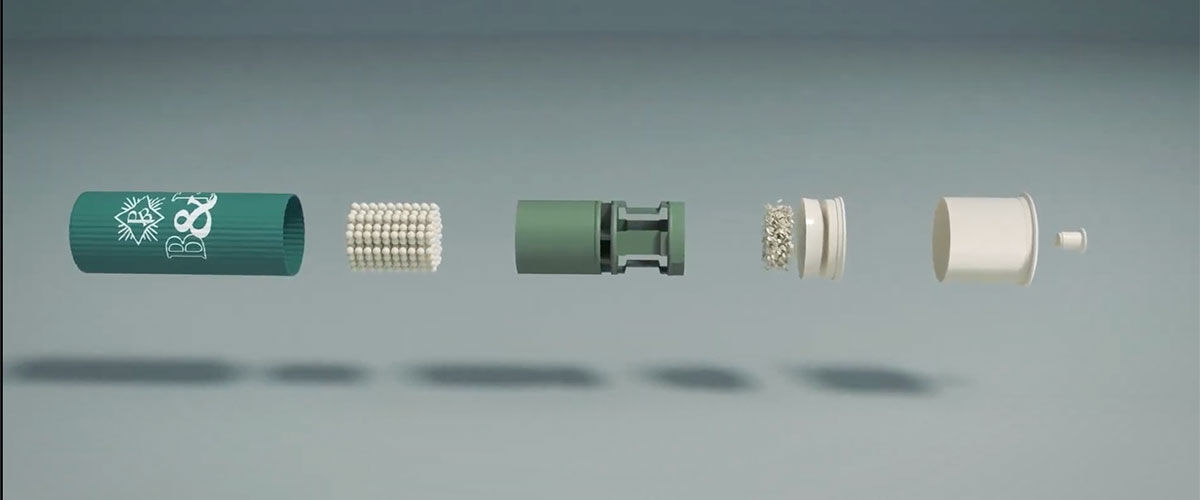
The biggest advantage high-performance shotgun ammunition offers is consistency. Every shell is engineered to deliver the same reliable performance, helping shooters maintain predictable leads, consistent recoil impulses, and dependable patterns from the first shot to the last. That consistency comes from tighter manufacturing tolerances and carefully selected components working together, including uniform powder charges, consistent shot weights, advanced wad systems, durable hull construction, reliable primers, and meticulous loading processes.
Each of these components contributes to the shell’s overall performance. Cleaner-burning powders promote more consistent pressures and reduced fouling, while advanced wad designs improve gas sealing, protect the shot column, and help produce more uniform patterns. Harder, precision-graded shot resists deformation during firing, resulting in more even pellet distribution and better retained energy downrange.
Over the course of a sporting clays tournament, a day in the dove field, or a cold morning in the duck blind, these engineering details become increasingly noticeable. The result is ammunition that performs predictably under a wide range of conditions, allowing shooters to focus on the target rather than wondering how the next shell will perform.
Pattern Quality Matters More Than Most Shooters Realize
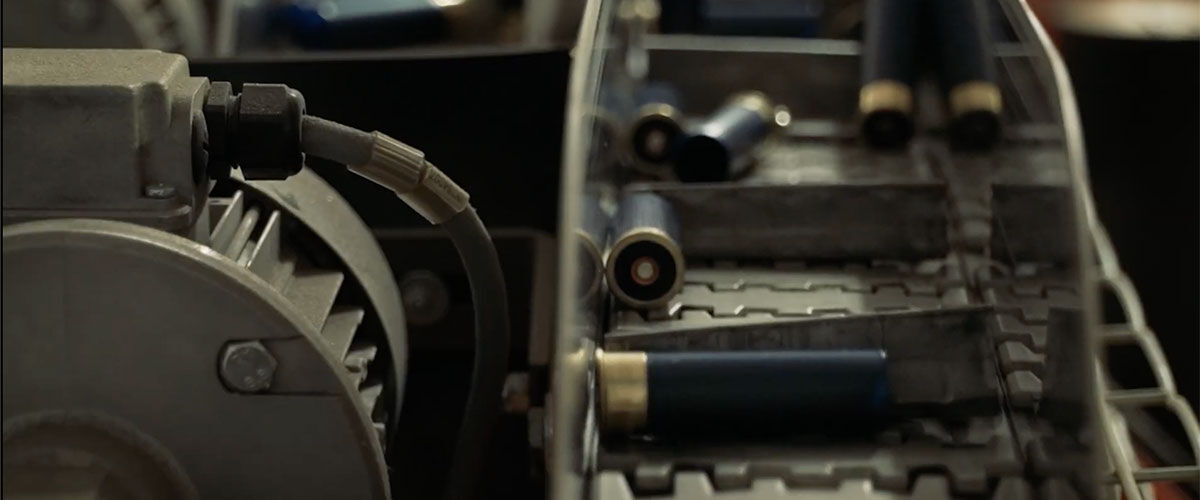
Velocity gets attention – but pattern quality breaks targets and kills birds. A high-performance shotshell is designed to minimize pellet deformation, maintain tighter shot columns, and deliver more even pellet distribution. This results in fewer gaps in the pattern, better retained energy, and more reliable hits.
This becomes especially important on longer sporting-clays presentations, during late-season pheasant hunts, or when pass-shooting ducks and geese. When your pattern is more consistent, your margin for error improves dramatically.
Recoil Isn’t Just About Comfort
Many shooters assume recoil only affects comfort, but it also affects performance.
Excessive or inconsistent recoil can:
- Disrupt timing
- Slow follow-up shots
- Increase fatigue
- Create flinching over time
High-performance ammunition is often engineered to produce a smoother, more manageable recoil impulse, helping shooters stay focused and consistent throughout the day.
Technologies like B&P’s Gordon System help absorb and distribute energy more efficiently, resulting in reduced felt recoil, smoother shooting characteristics, and better shooter control.
Cleaner Ammunition Means Less Maintenance
Another often-overlooked advantage of high-performance ammunition is cleaner combustion. Higher-quality powders typically burn more efficiently, leave less residue, and produce more consistent pressures. This translates to cleaner shotguns, more reliable cycling, and less fouling over time. This is especially valuable for semi-auto shotguns, high-volume target shooting.
Why Antimony Matters in High-Performance Shotgun Ammo
One of the biggest and most overlooked differences between entry-level and high-performance target ammunition is the hardness of the lead shot itself. That hardness is largely influenced by the amount of antimony blended into the lead during manufacturing.
Antimony is a metallic element added to lead to make pellets harder and more resistant to deformation during firing. Softer lead shot tends to flatten and distort as it accelerates through the barrel and choke, creating inconsistent pellet flight and less efficient patterns. Harder shot, on the other hand, stays more perfectly spherical, resulting in:
- Tighter, more uniform patterns
- Better retained energy
- Improved long-range performance
- More consistent target breaks
This is another reason high-performance target loads often perform noticeably better on difficult sporting-clays presentations and on longer crossing targets.
Within the B&P target lineup, various products are engineered with varying antimony levels depending on their intended purpose.
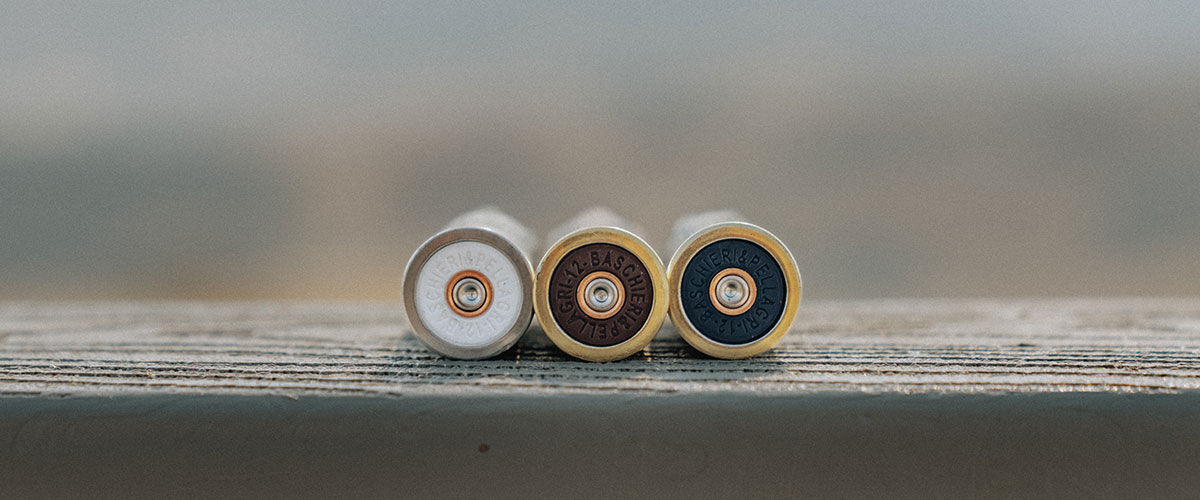
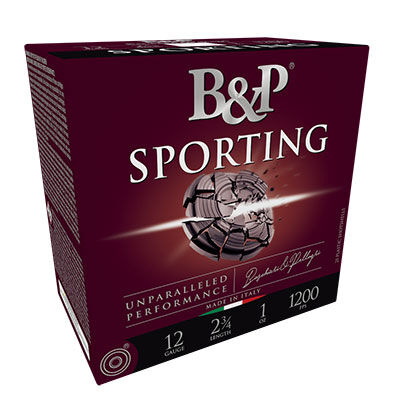
- B&P Sporting – utilizing B&P standard lead shot, offering a softer, more economical target load ideal for casual shooting and training.
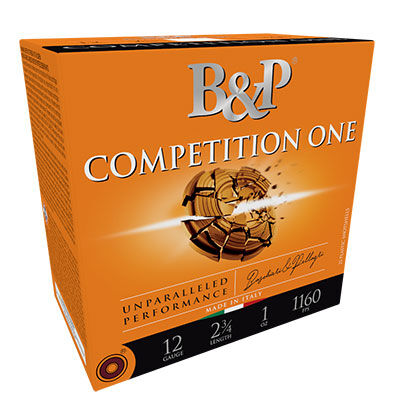
- Competition One – steps up to 3% antimony, delivering harder shots and improved pattern consistency for more demanding shooters.
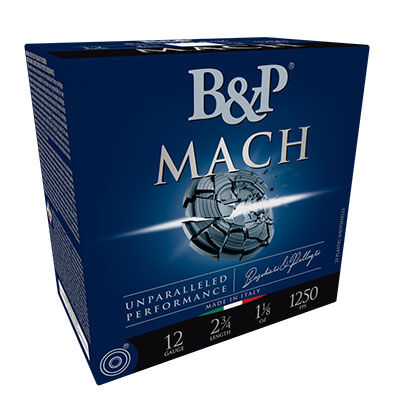
- Mach – utilizes 5% antimony shot helping produce exceptionally consistent patterns and competition-grade performance for competitive sporting clay shooters.
- In practical terms, higher antimony content helps the pellets stay rounder, fly truer, and pattern more efficiently – especially as target distance increases. It is one of those details many shooters never see, but experienced competitors absolutely notice on the course.
High-Performance Ammo Often Performs Better in Harsh Conditions
Cold temperatures, moisture, mud, and long shooting days quickly expose weaknesses in ammunition. High-Performance shotshells are typically designed with better hull integrity, more reliable primers, more stable powders, and improved moisture resistance. That translates into greater reliability when conditions become challenging.

Is High-Performance Shotgun Ammo Worth the Cost?
The answer depends on what you value.
If you are shooting casually at short distances, budget ammunition may work just fine. But if you care about consistency, better patterns, reduced recoil, cleaner performance, and reliability in the field, high-performance ammunition starts to make a lot of sense.
And in many cases, the cost difference per shot is relatively minor compared to the overall investment in firearms, hunting trips, range fees, targets, and time in the field. When the moment matters, confidence in your equipment matters too!

The Real Difference
High-Performance shotgun ammunition isn’t about hype – it’s about reducing variables.
It’s about knowing:
- Your pattern will perform the same.
- Your recoil will feel familiar.
- Your shot will carry the energy you expect
That level of consistency is what separates high-performance loads from commodity ammunition.
The difference between budget and high-performance shotgun ammo isn’t always obvious from the outside – but it becomes clear on the range and in the field. Better components, tighter tolerances, advanced wad systems, and more refined engineering all contribute to improved performance where it counts.
At the end of the day, high-performance ammunition is about confidence. When your shotshells perform consistently, you can spend less time worrying about equipment and more time focusing on the shot ahead.
NEXT
Sporting
Mach
Competition One