Steel vs. Lead vs. Bismuth Shot


Choosing between steel, lead, and bismuth shot isn’t just about legality – it’s about understanding how material density, pellet behavior, and real-world application affect performance in the field. Each material has strengths and trade-offs and knowing when to use each is critical or ethical, effective shooting.
This blog post will explore and break it all down in simple terms – from physics to field application.
The Most Important Factor: Density
If there’s one concept that drives everything in shotshell performance, it’s the density of the shot material used.
At a high level, here’s how the three materials compare:
- Lead: ~11.2 g/cc
- Bismuth: ~9.6 g/cc
- Steel: ~7.8 g/cc
Note: Material density, measured in gram per cubic centimeter (g/cc), simply this describes how much mass is packed into a given space. In practical terms, a higher number means the material is heavier and more compact for its size – so in shotgun pellets, denser materials carry more energy and hit harder at longer distance.
Why does density matter? Higher density equals more mass per pellet. More mass equals better energy retention downrange. Better energy equals cleaner, more ethical kills.
The Historical Benchmark
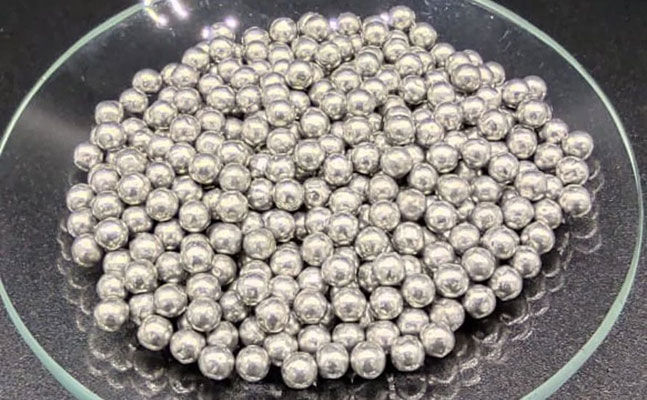
Lead’s density gives it superior momentum and penetration, allowing it to maintain velocity and deliver energy at longer distances. Lead has distinct characteristics – it’s the highest density of the three, it is soft and malleable and has excellent energy transfer.
Because lead pellets are soft, they will deform slightly on impact, transfer energy efficiently and will produce dense, forgiving patterns. The most common uses of lead shot are for target shooting (clays, skeet, trap), dove hunting, and upland hunting (pheasant, quail, grouse).
While lead shot is commonly used, there are some limitations. It is illegal for use in waterfowl hunting in the U.S. and there are some toxicity concerns among some individuals and states. However, lead offers the best all-around ballistic performance – but it’s use is restricted in many environments.
The Modern Standard for Waterfowl
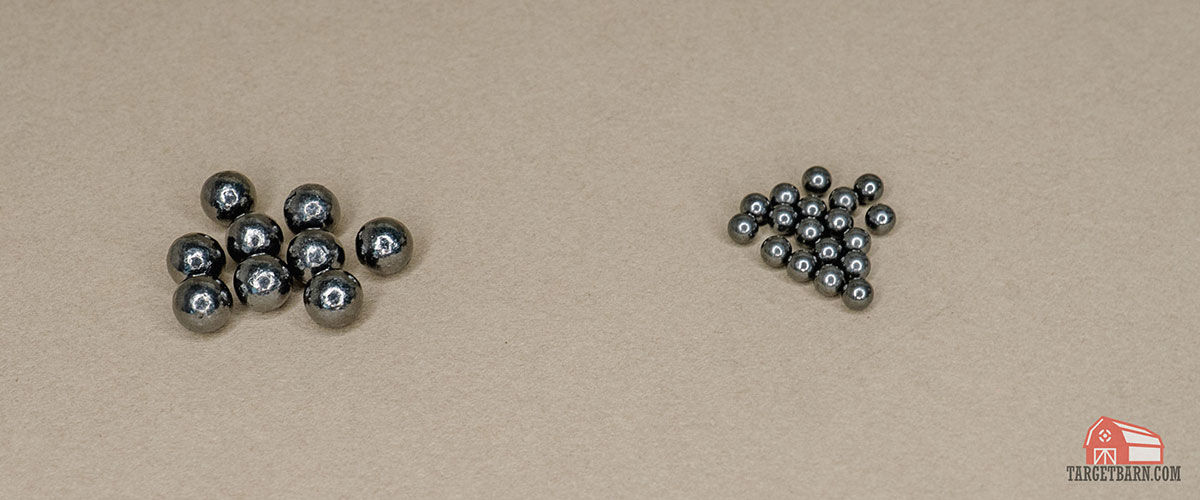
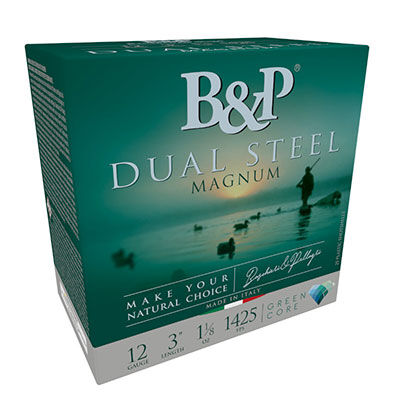
Steel shot is the most widely used alternative material option in modern shotshells, primarily due to its affordability and regulatory acceptance for waterfowl hunting. With lower density (~7.8 g/cc) compared to lead or bismuth, steel pellets are lighter and therefore lose energy more quickly downrange. However, steel is also a hard material that does not deform, which helps maintain pellet shape in flight but can influence pattern performance.
Because of its lower density, steel requires some practical adjustments to remain effective. Shooter typically need to use larger shot sizes and often higher velocities to compensate for reduced energy retention. For example, to achieve performance similar to lead, it’s common to go up one or two shot sizes. Steel performs best in waterfowl hunting applications, where non-toxic shot is required, and has become the standard choice for ducks and geese.
There are trade-offs to consider. Steel offers less downrange energy and can produce less forgiving patterns, particularly at extended distances. Additionally, due to its hardness, it can be tougher on older shotgun barrels not designed for steel use. Bottom line – steel is the most common and economical alternative material solution, but it requires thoughtful load selection and realistic range expectations to perform at its best.
The Performance Bridge
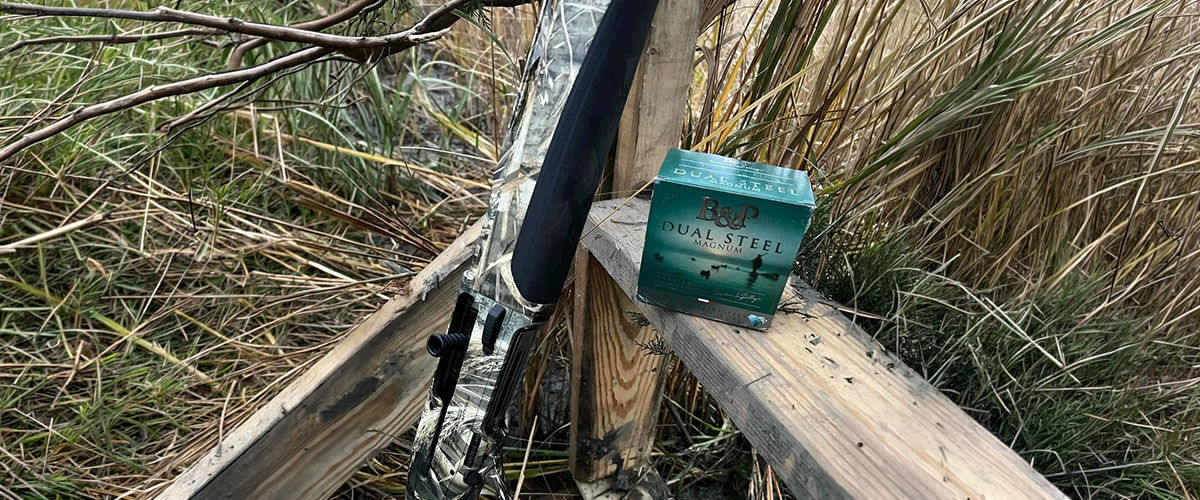
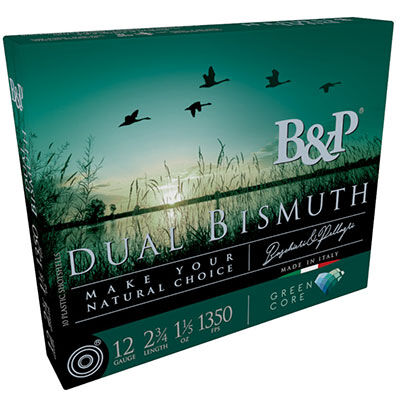
Bismuth shot offers a strong balance between performance and environmental responsibility, making it a popular premium alternative material option. With a mid-range density (~9.6 g/cc), bismuth sits between steel and lead, delivering noticeably better performance that steel while remaining compliant with state and federal regulations. It is also softer that steel, behaving more like lead in how it transfers energy and interacts with targets.
Because bismuth is approximately 20-25% denser than steel, it is able to retain more energy downrange and maintain effectiveness at longer distance. This added density also allows shooters to use smaller shot sizes compared to steel while achieving similar or improved performance. Its softer composition means it is safe for use in older shotguns and tends to provide more efficient energy transfer, resulting in cleaner, more effective hits in the field.
Bismuth excels in waterfowl hunting as a high-performance alternative to steel, as well as in upland applications where an alternative material is preferred or required. Its especially appealing for hunters who want lead-like performance without legal restrictions. The primary trade-offs are higher cost and slight brittleness, as pellets can deform or fracture under stress.
Pick Your Poison
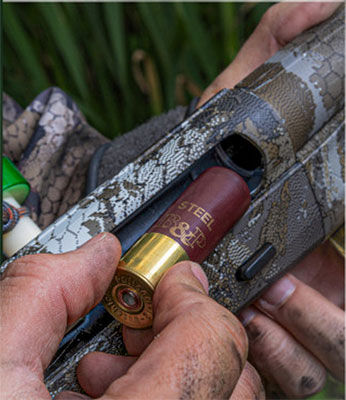
There’s no single “best” shot material – only the best tool for the job. If you’re after maximum performance, lead still sets the standard. If you need something using an alternative material and budget friendly, steel gets the job done with a few adjustments. And if you’re looking for lead-alternative performance that closely mirrors lead, bismuth is the premium solution. Understanding these differences helps you choose the right load for your hunt – so when the moment comes, you’re set up to make cleaner, more effective shots.
NEXT
Privilege Game
Dual Steel
Dual Bismuth