Best Shot Size for Every Type of Hunting?


Walking into any sporting goods store, you’ll find shelves full of shotgun ammunition loaded with everything from #9 shot to BB and larger. For many hunters, choosing the right shot size can be confusing. Is bigger always better? Should you use the same load for doves and pheasants? What about ducks and geese?
The truth is that selecting the right shot size is one of the most important decisions a hunter can make. Choose a pellet that is too small, and it may lack the energy needed for clean, ethical kills. Choose one that is too large, and you sacrifice pellet count and pattern density. The key is finding the right balance between pellet energy and pellet quantity for the game you’re pursuing.
This guide will help you understand how shot size works and provide recommendations for some of North America’s most popular game birds.
Understanding Shot Size
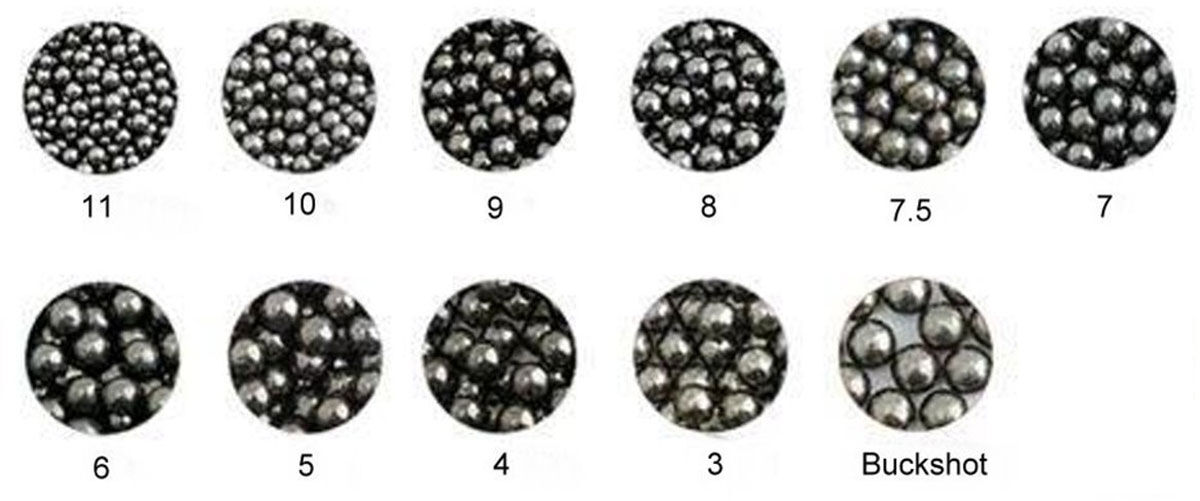
One of the most common misconceptions among new hunters is that larger shot size numbers mean larger pellets. In reality, the opposite is true.
As the shot size number decreases, pellet diameter increases. For example, #9 shot is significantly smaller than #6 shot, while #2 shot is still larger. Beyond the numbered sizes are designations such as BB, BBB, and T, which are commonly used for larger waterfowl loads.
Smaller pellets provide more pellets per shell and denser patterns. Larger pellets carry more energy and penetrate more effectively at longer distances. Successful hunters match pellet size to the size and toughness of the game they intend to hunt.
Best Shot Sizes for Dove Hunting
Doves are among the smallest and fastest game birds in North America. Their light body structure means they don’t require large pellets, but their speed and agility make pattern density extremely important.
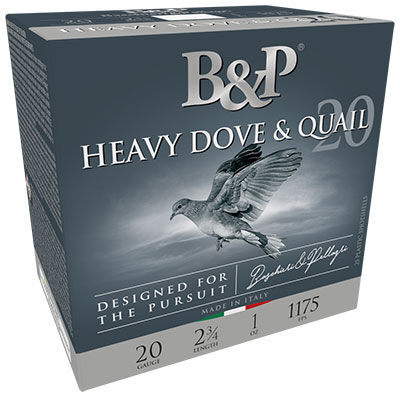
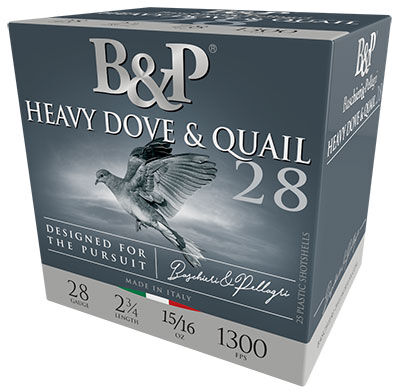
For most dove hunting situations, #7.5 and #8 shot are excellent choices. These sizes provide a high pellet count and forgiving patterns that help connect with crossing and decoying birds. Many experienced dove hunters prefer #7.5 shot for slightly longer opportunities, while #8 shot excels over decoys and in close-range situations.
When hunting in areas requiring non-lead ammunition, steel #6 is often a strong alternative.
Best Shot Sizes for Quail and Grouse
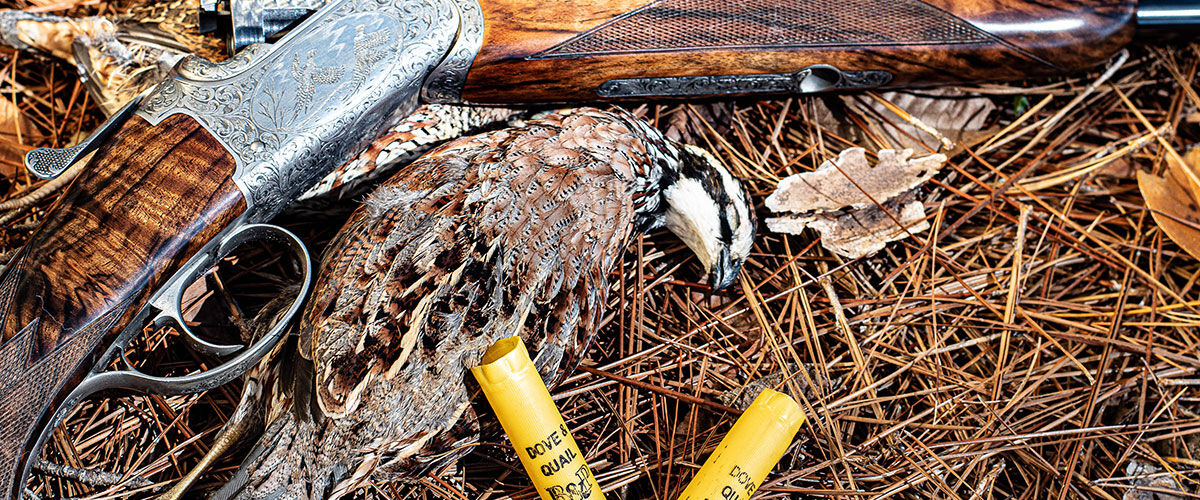
Quail and grouse are typically hunted in close-cover environments where shots are taken at relatively short distances. As a result, pattern density is often more important than raw pellet energy.
For both species, #8 and #7.5 shot remain excellent options. These sizes produce dense patterns that increase the likelihood of multiple pellet strikes while providing more than enough energy for clean harvests.
Hunters pursuing late-season grouse or birds flushing farther out may favor #7.5 shot for additional downrange performance.
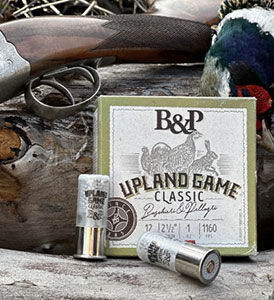
Best Shot Sizes for Pheasant Hunting
Pheasants are considerably larger and tougher than doves, quail, or grouse. Their dense feathers and powerful muscles demand a pellet that can deliver enough energy to penetrate effectively.
For early season pheasants, #6 shot remains one of the most versatile choices available. As birds become more heavily feathered and flushing distances increase later in the season, many hunters move to #5 shot for improved energy retention.
When non-lead ammunition is required or preferred, bismuth loads in #5 or #4 shot provide outstanding performance and closely mimic traditional lead loads.
Best Shot Sizes for Duck Hunting
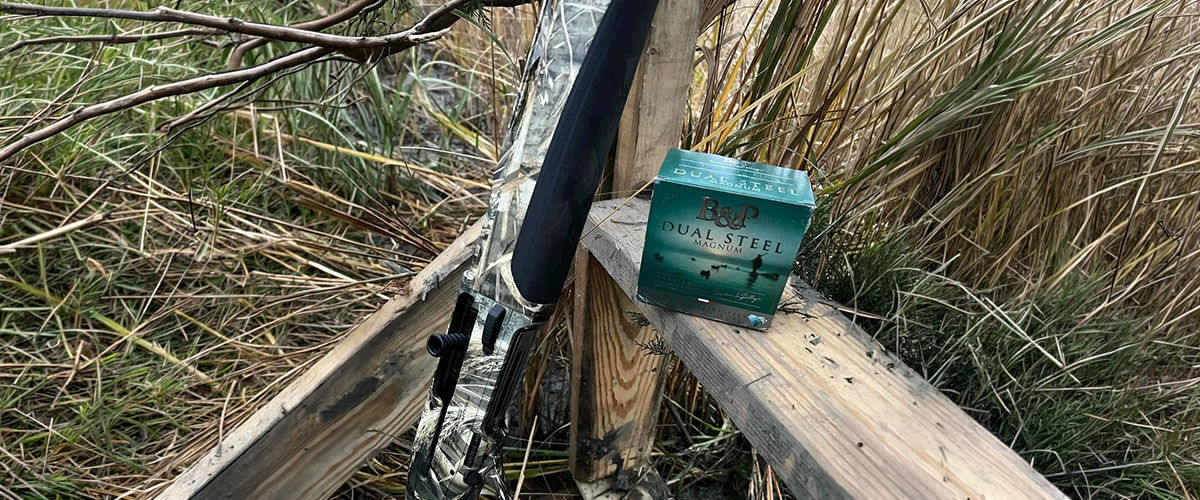
Waterfowl hunting presents unique challenges because non-lead ammunition is required for all migratory bird hunting in the United States. As a result, steel and bismuth have become the most common choices.
For ducks, #2 and #3 steel shot remain among the most popular options. These pellet sizes offer a strong balance between pattern density and downrange energy. For hunters seeking lead-like performance, #4 bismuth often delivers excellent results thanks to its higher density and superior energy retention.
The ideal choice often depends on the species being hunted, expected shooting distances, and hunting conditions.

Best Shot Sizes for Goose Hunting
Geese are among the largest and toughest birds commonly hunted with a shotgun. Their size demands pellets capable of maintaining significant energy at longer distances.
For steel loads, BB and #1 shot have become standard choices. These larger pellets deliver the penetration and retained energy necessary for consistently harvesting large birds.
Bismuth offers the ability to step down in pellet size while maintaining effectiveness. Many hunters find #2 bismuth to be exceptionally effective on both resident and migratory geese.
Best Shot Sizes for Turkey Hunting
Turkey hunting is unique because the goal isn’t simply to put multiple pellets into a bird. Instead, hunters are trying to place a dense pattern into a relatively small vital area located in the head and neck.
Traditional lead turkey loads commonly utilize #4, #5, and #6 shot. Modern tungsten-based turkey loads often use much smaller shot sizes because of their extreme density and superior energy retention.
The most important factor in turkey hunting is pattern performance. Every turkey hunter should pattern their shotgun to determine which load delivers the most effective combination of density and consistency at realistic hunting distances.
Don’t Forget About Shot Material
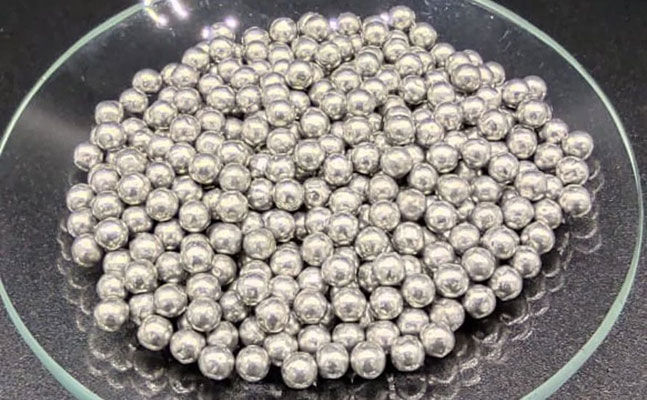
While shot size is important, material selection can be equally critical. Lead, steel, and bismuth all perform differently because they have different densities.
Lead remains the performance benchmark where legal. Steel is the most economical non-lead option and the standard for most waterfowl hunters. Bismuth bridges the gap, offering performance that closely approaches lead while remaining safe for use in many older shotguns.
Understanding how shot material affects energy retention and pattern performance is just as important as choosing the correct pellet size.
The Right Tool for the Job
There is no universal best shot size. The ideal load depends on the game being pursued, expected shooting distances, environmental regulations, and personal preferences.
Smaller birds generally benefit from smaller pellets and denser patterns, while larger birds require pellets capable of carrying greater energy. By matching your shot size to the game at hand, you’ll increase effectiveness, improve pattern performance, and make cleaner, more ethical shots in the field.
Whether you’re chasing opening day doves, flushing pheasants through CRP grass, or setting decoys for late season geese, choosing the proper shot size is one of the simplest ways to improve your success as a hunter.
Heavy Dove & Quail
Heavy Pheasant
Upland Game Classic
Privilege Game