Best Quail Loads and Hunting Tips for More Birds in the Bag


- Choosing the Right Ammunition and Finding Success in the Field
- Understanding Quail Behavior
- The Best Shot Size for Quail Hunting
- Payload and Velocity Considerations
- Why Premium Upland Loads Matter
- Finding Productive Quail Habitat
- Let the Dog Do the Work
- Regional Quail Hunting Strategies
- Shoot the Singles
- Parting Shots
Choosing the Right Ammunition and Finding Success in the Field
There may be no finer introduction to upland hunting than following a bird dog through quail country. The anticipation of a point, the explosive flush of a covey, and the challenge of connecting on a darting bird have captivated hunters for generations.
While quail are relatively small birds, consistently harvesting them requires more than simply carrying a shotgun. Success comes from understanding quail behavior, hunting productive habitat, and selecting ammunition that delivers dense, forgiving patterns at distances where most birds are encountered.
Whether you’re pursuing Bobwhite quail in the Southeast, scaled quail in the Southwest, or California quail along the Pacific Coast, the right combination of fieldcraft and ammunition can dramatically improve your success.
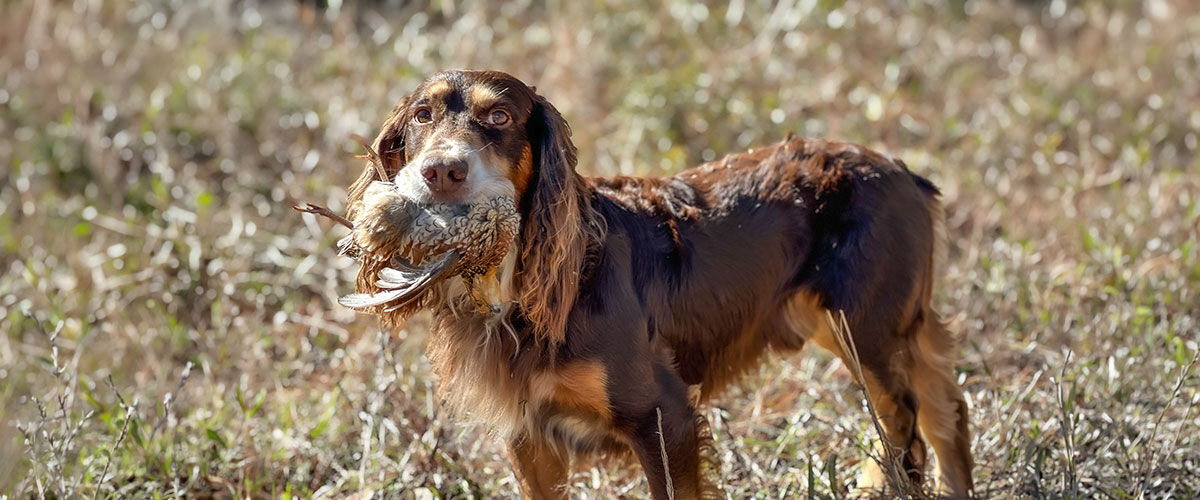
Understanding Quail Behavior
Unlike many game birds, quail are highly social and spend much of the year living in coveys. This behavior creates one of the most exciting moments in upland hunting – the covey rise.
When pressured, quail often hold tightly in cover until a hunter or dog approaches. Once flushed, multiple birds may erupt in different directions simultaneously, creating a fast-paced shooting scenario that rewards quick target acquisition and instinctive shooting.
Because most quail are harvested inside 30 yards, dense patterns and quick-handling shotguns are often more important than maximum pellet energy.
The Best Shot Size for Quail Hunting
When discussing quail ammunition, pattern density is king!
The overwhelming majority of experienced quail hunters rely on #8 or #7 ½ shot, and for good reason. These shot sizes provide a high pellet count that creates dense, forgiving patterns while still carrying more than enough energy to cleanly harvest quail.
For early-season birds and close working dogs, #8 shot is often the preferred choice. The additional pellet count can help connect birds that flush unexpectedly or angle away at close range. Hunters experiencing longer shots, windy conditions, or late-season hunts may favor #7 ½ shot. These slightly larger pellets retain energy better while still providing excellent pattern density.
In most situations, either shot size will perform exceptionally well when paired with a quality upland load.
Payload and Velocity Considerations
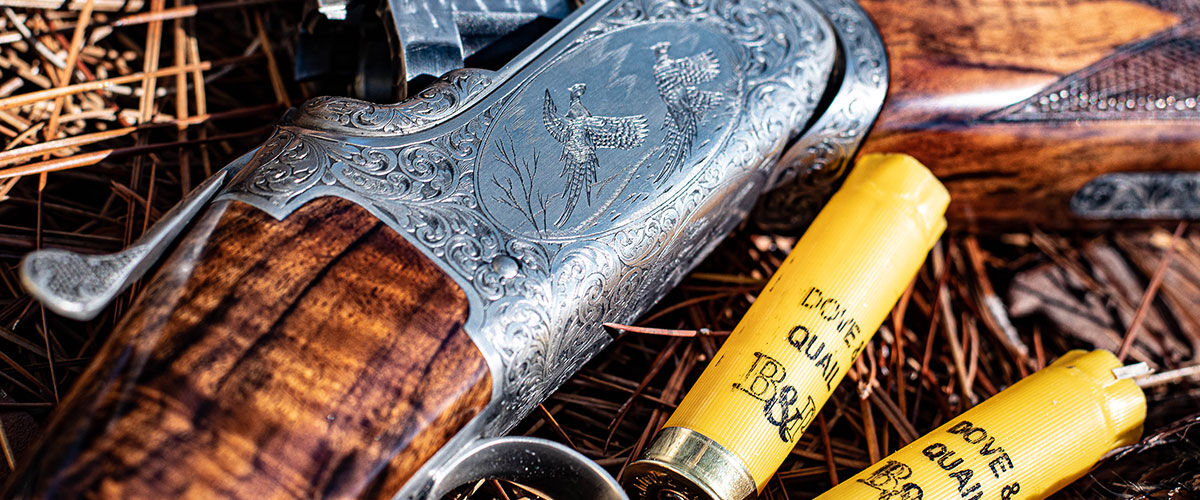
Unlike pheasants or waterfowl, quail do not require heavy payloads or extreme velocities. Many hunters find that loads carrying 1 ounce or 1 ⅛ ounces of shot provide the ideal balance of pattern density and manageable recoil. Since quail hunting often involves significant walking and multiple shooting opportunities throughout the day, lighter-recoiling loads can help maintain shooting consistency.
Moderate velocities are also advantageous. Excessively fast loads may increase recoil without providing meaningful advantages on birds typically harvested at relatively short distances. The goal isn’t maximum power – it’s delivering a dense, even pattern where the bird is flying.
Why Premium Upland Loads Matter
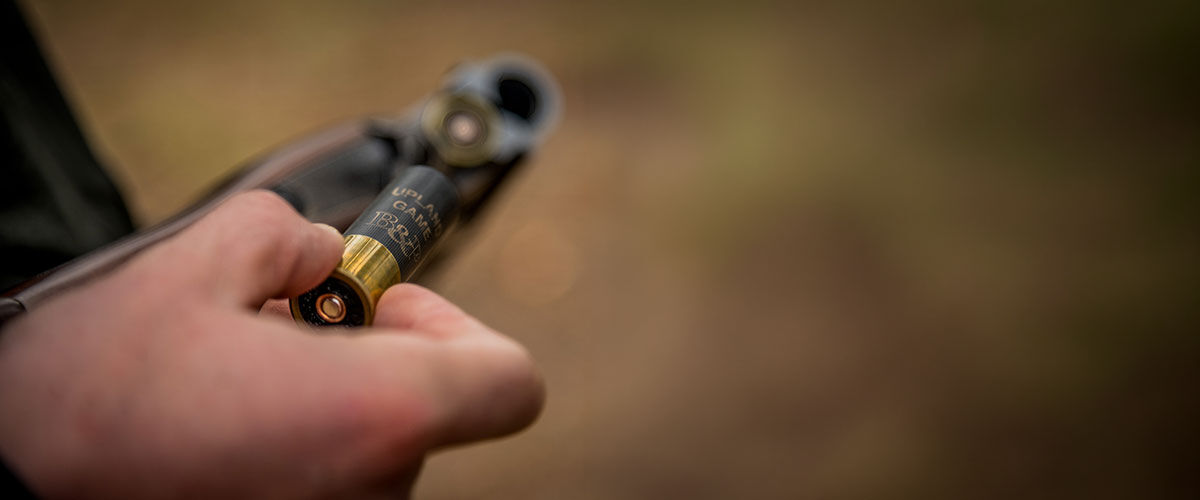
Quail may be small, but they can quickly expose weaknesses in ammunition. Fast flushing birds often present only a brief shot opportunity. Dense, uniform patterns help ensure that even slight aiming errors still result in clean kills.
Premium upland loads frequently feature:
- Harder shot that resists deformation
- More consistent patterns
- Cleaner-burning powders
- Better overall shot-to-shot consistency
These characteristics matter most when birds flush unexpectedly, and instinct takes over. A quality upland load helps eliminate variables and allows hunters to focus on the shot rather than the shell.
Finding Productive Quail Habitat
One of the biggest mistakes new quail hunters make is focusing only on cover. Quail need three things: food, cover, and water.
The best habitat often combines all three within a relatively small area. Look for:
- Native grasslands
- Brushy field edges
- Hedgerows
- Shelterbelts
- Weedy fence lines
- Areas near agricultural fields
Quail prefer habitat diversity. Large monocultures often hold fewer birds than areas where grasses, shrubs, and feeding opportunities intersect. If a location looks too clean and manicured, it probably isn’t ideal quail habitat.
Let the Dog Do the Work
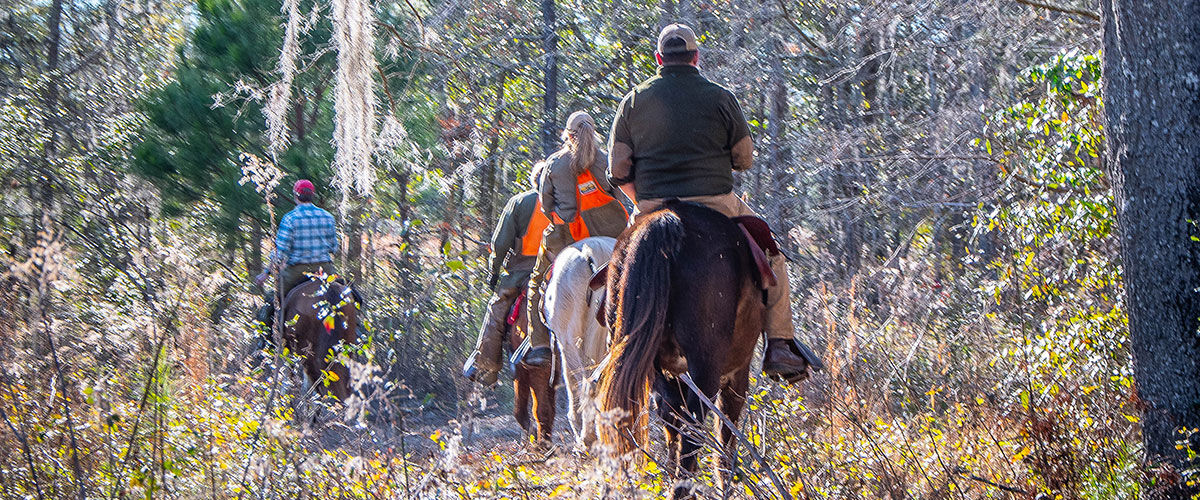
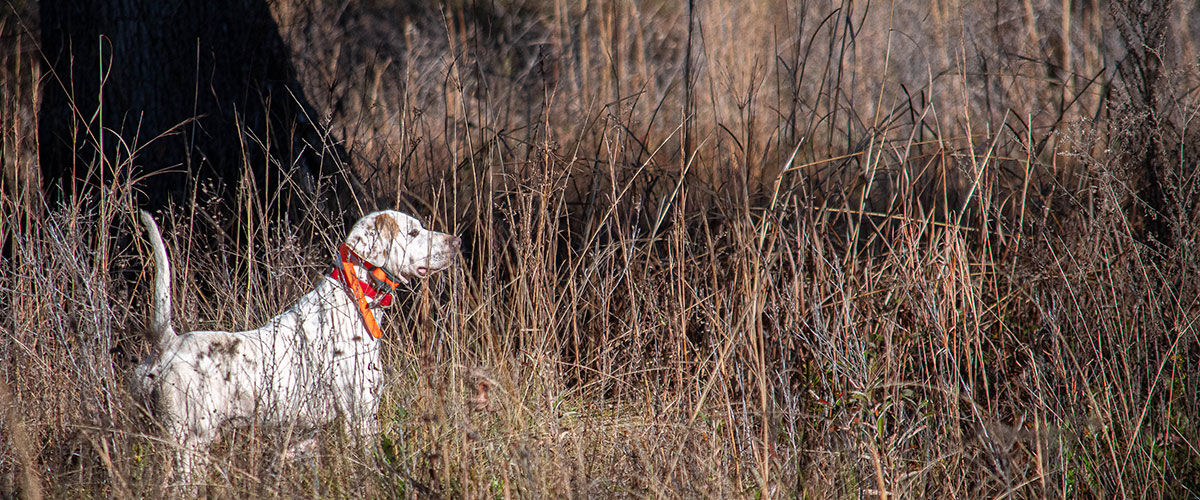
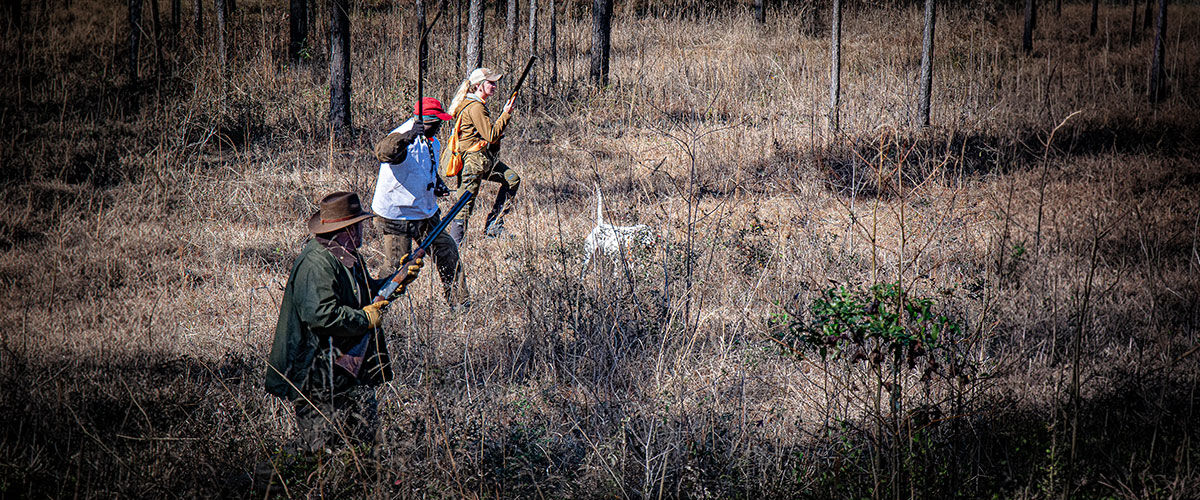
Few hunting experiences rival watching a good bird dog work quail. Whether you’re hunting behind a pointer, setter, Brittany, or flushing breed, trust the dog’s nose. Many hunters make the mistake of walking too quickly or trying to outguess their dog.
Experienced quail hunters often move deliberately and allow their dog to thoroughly work likely cover. The extra patience frequently results in more productive points and more shooting opportunities.
When a dog goes on point, slow down. Quail often hold surprisingly tight, and rushing the approach can lead to missed opportunities or unsafe shooting situations.
Regional Quail Hunting Strategies
Quail hunting varies considerably across North America.
In the Southwest, hunters often pursue Bobwhite quail around pine plantations, agricultural edges, and managed habitat. Coveys frequently hold near thick escape cover and feed in adjacent openings.
Across Texas and Oklahoma, Bobwhites thrive in areas with a mixture of native grasses, brush, and agricultural land. Weather conditions often play a significant role in annual population numbers.
The Southwest offers opportunities for Scaled and Gambel’s quail, where hunters frequently focus on desert grasslands, mesquite flats, and brush-covered terrain. Longer shots can be common, making a #7 ½ shot a popular choice.
Along the West Coast, California quail are often found near brushy canyons, oak savannas, and agricultural areas where food and cover are readily available.
While habitat varies by region, successful quail hunters consistently focus on locating food sources and suitable cover before worrying about anything else.
Shoot the Singles
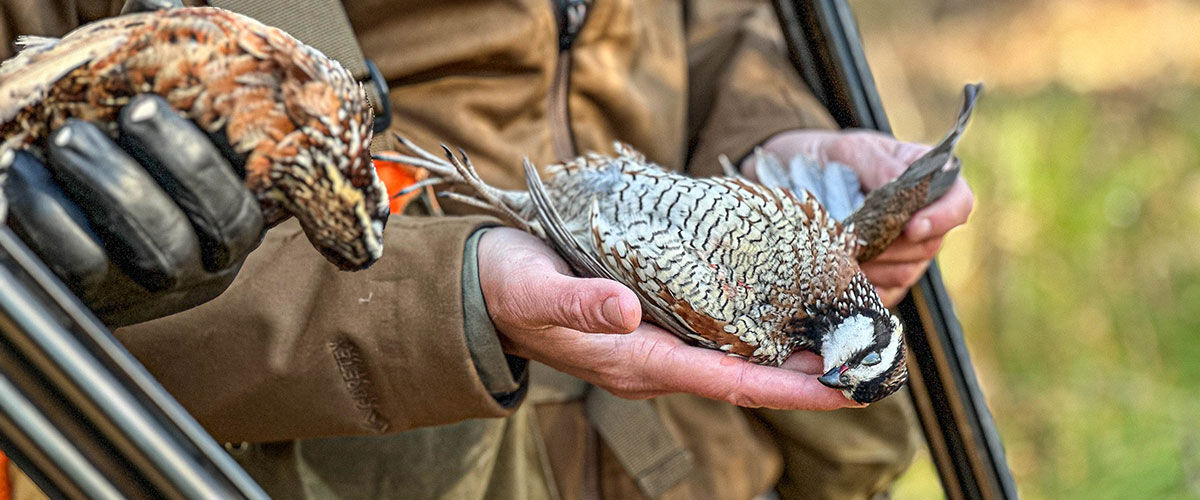
One of the oldest pieces of quail hunting advice remains one of the best. After a covey rise, don’t shoot into a group. Instead, pick out a single bird, focus on it, and make a deliberate shot. This approach dramatically improves hit percentages and results in cleaner, more ethical harvests.
After the initial flush, many experienced hunters actually prefer hunting the scattered singles. These birds often hold tighter, offer more controlled shooting opportunities, and can provide some of the day's most enjoyable moments.
Parting Shots
Quail hunting is a game of dogs, habitat, and instinctive shooting. While ammunition alone won’t guarantee success, selecting the right load can help you make the most of every opportunity.
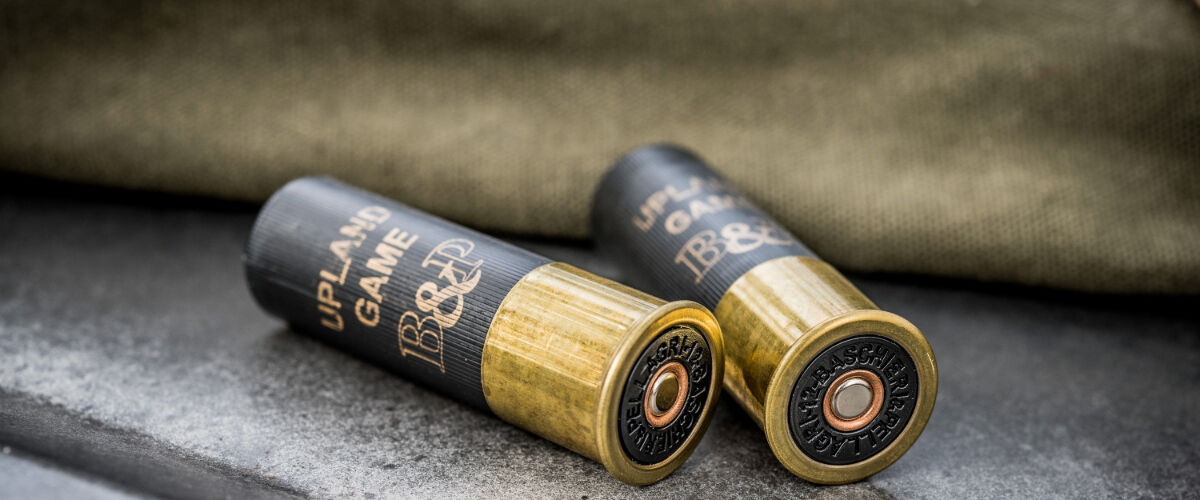
For most hunters, quality 1-ounce or 1 ⅛ -ounce loads carrying #8 or #7 ½ shot remain the gold standard for quail. Combined with good scouting, productive habitat, and a trustworthy bird dog, these loads provide everything needed to enjoy one of North America’s greatest upland hunting traditions.
At the end of the day, quail hunting isn’t measured solely by limits. It’s measured by dogs we follow, the places we explore, and those unforgettable moments when a covey erupts from beneath our feet.
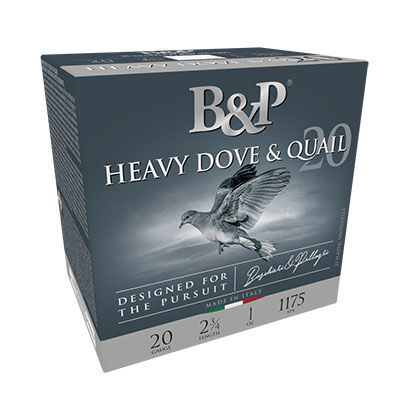
Heavy Dove & Quail
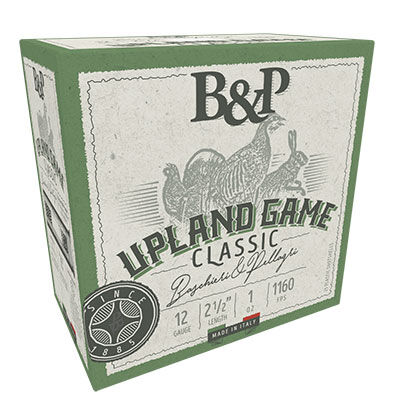
Upland Game Classic
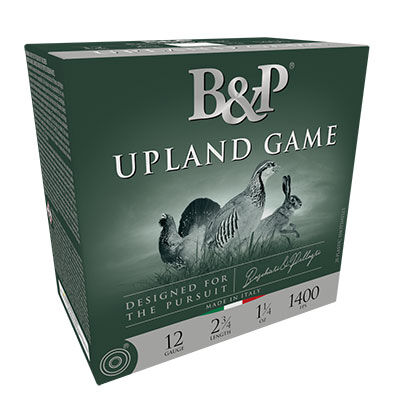
Upland Game