Best Pheasant Loads for Early and Late Season Birds


- Choosing the Right Ammunition and Hunting Smarter for More Roosters in the Bag
- Why Pheasants Are Different
- Early Season vs. Late Season Pheasants
- The Best Early Season Pheasant Loads
- The Best Late-Season Pheasant Loads
- Why Premium Loads Matter on Pheasants
- Hunt the Cover, Not the Map
- Regional Pheasant Hunting Strategies
- The Best All-Around Pheasant Load
- Final Thoughts
Choosing the Right Ammunition and Hunting Smarter for More Roosters in the Bag
Few upland birds command the respect of hunters quite like the ring-necked pheasant. They are beautiful, challenging, and notoriously tough. Every season, hunters watch roosters absorb pellets, fly surprising distances, and disappear into thick cover. Often, those stories trace back to one of two things: poor shot placement or the wrong ammunition for the conditions.
Unlike quail or doves, pheasants demand a balance of pattern density, pellet energy, and penetration. As the season progresses and birds become more educated, selecting the right load becomes increasingly important.
Whether you’re chasing opening weekend roosters through CRP grass in South Dakota or pushing late-season birds from cattail sloughs in Kansas, understanding how pheasants behave – and matching your ammunition accordingly – can significantly improve your success.
Why Pheasants Are Different
Pheasants are not delicate birds. An adult rooster carries dense feathers, a muscular body, and an incredible will to survive. They can cover ground quickly on foot, flush explosively when pressured, and often present crossing or quartering shots that challenge even experienced wingshooters.
This combination of size and toughness means pheasants require more pellet energy than most upland species. While dense patterns remain important, sufficient penetration becomes equally critical. The goal isn’t simply hitting the bird – it’s delivering enough energy to knock it down for good!
Early Season vs. Late Season Pheasants
One of the biggest mistakes hunters make is using the exact same load from opening day until the final day of the season. Pheasants change throughout the year.
Early season birds are often:
- Less pressured
- More willing to hold for dogs
- Flushed at shorter distances
- Carrying lighter feather cover
Late season birds are often:
- Heavily pressured
- Flushing farther away
- Living in thicker cover
- Carrying denser plumage
As birds become harder to hit, many successful hunters adjust their ammunition acco rdingly.
The Best Early Season Pheasant Loads
During the first few weeks of the season, most opportunities occur inside 35 yards. At these distances, pattern density matters most.
For early-season pheasants, #6 shot remains one of the most versatile choices. It provides an excellent balance of pellet count and energy while delivering dense patterns that can anchor birds early. Many hunters favor 1 ¼ -ounce, #6 shot with moderate to high velocities while using open to mid-range choke constrictions.
These combinations perform exceptionally well over pointing dogs where birds typically hold tighter and flush closer. For hunters pursuing preserve birds or lightly pressured wild pheasants, #6 shot is often all that’s needed throughout the season.
The Best Late-Season Pheasant Loads
Late-season roosters are a different animal. Months of hunting pressure have taught them to run, flush wild, and use every available piece of cover to their advantage. Longer shots become more common, and penetration becomes increasingly important. This is where #5 shot often shines.
The larger pellets retain more energy downrange and provide improved penetration through feathers and muscle at extended distances. Many experienced pheasant hunters consider #5 shot the ideal compromise between pellet count and stopping power for wild late-season birds.
When conditions are particularly challenging, some hunters even move to #4 shot, especially when hunting large, educated roosters that consistently flush beyond 40 yards.
Why Premium Loads Matter on Pheasants
There may be no upland bird that exposes poor ammunition faster than a pheasant. A rooster flushed at the edge of range requires every advantage a hunter can get. Pattern consistency, pellet hardness, and energy retention all become critical factors.
Premium pheasant loads often feature:
- High-antimony lead shot
- More consistent patterns
- Cleaner-burning powders
- Better pellet roundness
- Superior downrange performance
Harder shot resists deformation during firing, allowing more pellets to remain spherical as they approach the target. The result is tighter, more uniform patterns, and greater effectiveness at longer distances. It’s one reason serious pheasant hunters often gravitate towards premium ammunition, particularly when pursuing wild birds.
Hunt the Cover, Not the Map
Many hunters focus on where pheasants should be, not where they are. A map may show public land boundaries, CRP acres, or shelterbelts, but birds don’t care about property lines. They care about survival.
Every pheasant spends its day balancing three basic needs: food, cover, and security. The best pheasant habitat provides all three within a relatively small area. That’s why productive areas often include a mix of grain fields, grassland nesting cover, and thick escape cover such as cattails, plum thickets, or brushy draws. When these habitat components come together, pheasants rarely need to travel far to meet their daily needs.
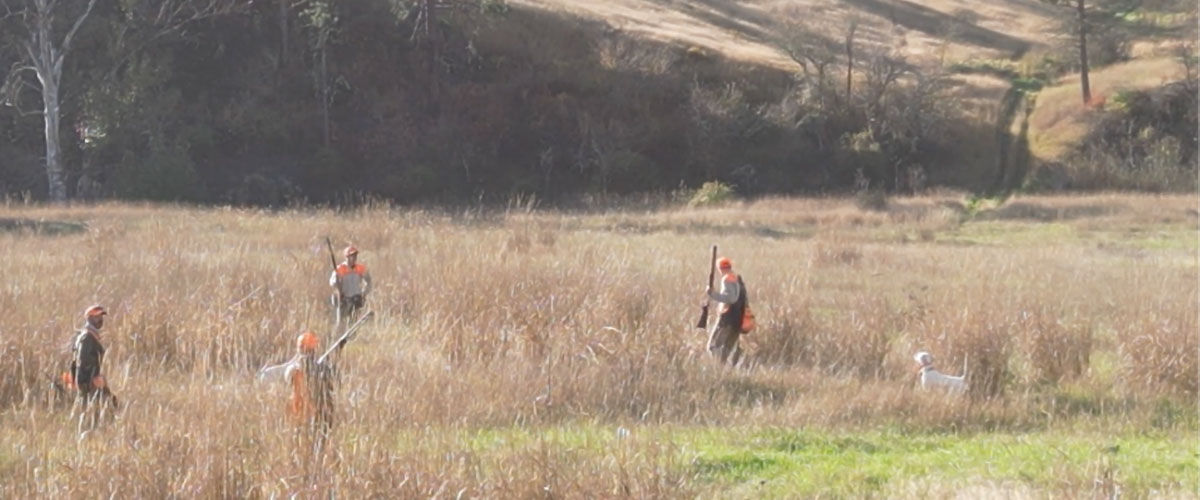
Early in the season, birds are often found feeding along harvested grain fields and loafing in nearby grasslands. These pheasants haven’t experienced much hunting pressure and are generally more willing to hold for pointing dogs. Hunters can often find success working field edges, CRP grass, and transition zones between feeding and bedding cover.

As the season progresses, however, pheasants become survivors. After weeks of hunting pressure, they learn quickly where they are safe and vulnerable. Instead of sitting in open grass, mature roosters often relocate to the thickest, nastiest cover available. Cattail sloughs, willow bottoms, creek corridors, shelterbelts, and dense brush become refuges where birds can hide, run, and escape pressure. If you’re hunting late-season pheasants and your legs aren’t getting scratched up, you’re probably not in thick enough cover.
Many experienced pheasant hunters follow a simple rule: hunt the ugly stuff. Areas that look difficult to walk through are often exactly where older roosters choose to spend their day. Thick cover provides protection from predators, shelter from harsh weather, and a place to evade hunters. While these locations can be physically demanding to hunt, they frequently produce the best opportunities for wild birds.
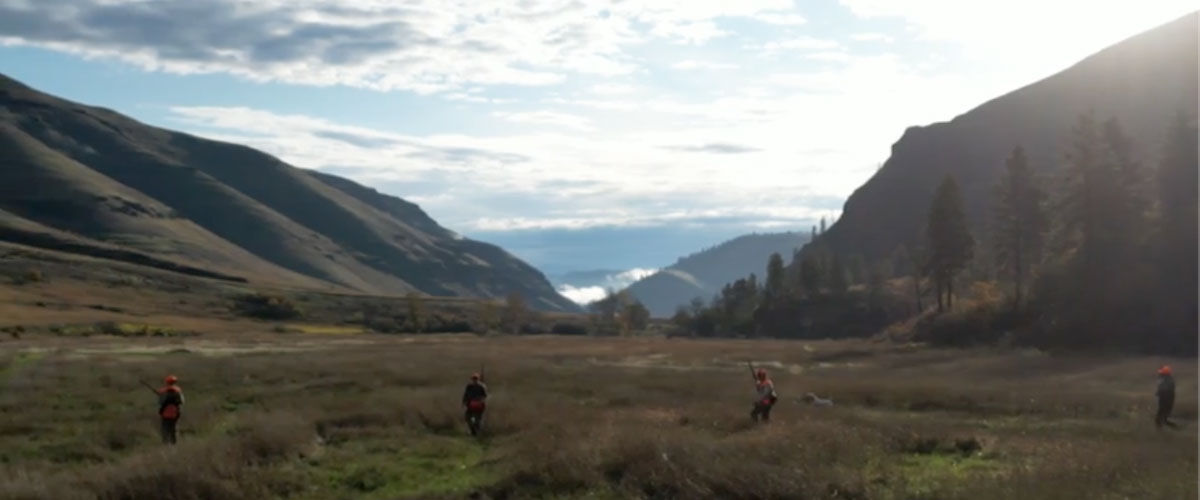
Weather should also influence where you focus your efforts. On cold, windy days, pheasants often seek south-facing slopes, sheltered draws, and dense thermal cover that blocks the wind. Following fresh snow tracks can reveal feeding areas, travel routes, and concentrations of birds that might otherwise go unnoticed. Learning to read these clues can dramatically shorten the time it takes to locate productive habitat.
Perhaps the most overlooked pheasant hunting tactic is identifying pinch points. Fence crossings, narrow strips of cover between crop fields, shelterbelt corners, and bottlenecks within larger habitat blocks often concentrate bird movement. Pheasants naturally use these travel corridors as they move between feeding and loafing areas. Hunters who recognize and hunt lese locations effectively often encounter more birds than those who simply walk large fields at random.
Regional Pheasant Hunting Strategies
Pheasant hunting tactics vary across the country. In South Dakota, North Dakota, and Minnesota, hunters often focus on CRP fields, shelterbelts, and harvested grain fields where birds feed and loaf.
Across Kansas and Nebraska, pheasants frequently concentrate near crop edges and grassland habitat. As the season progresses, thick cover becomes increasingly important.
In Iowa and Illinois, public-land hunters often find success targeting overlooked cover adjacent to agricultural fields where birds can escape hunting pressure.
Wherever you hunt, scouting remains one of the most important factors in success. The hunters who consistently find birds are usually the ones who spend the most time learning where the birds want to be.
The Best All-Around Pheasant Load
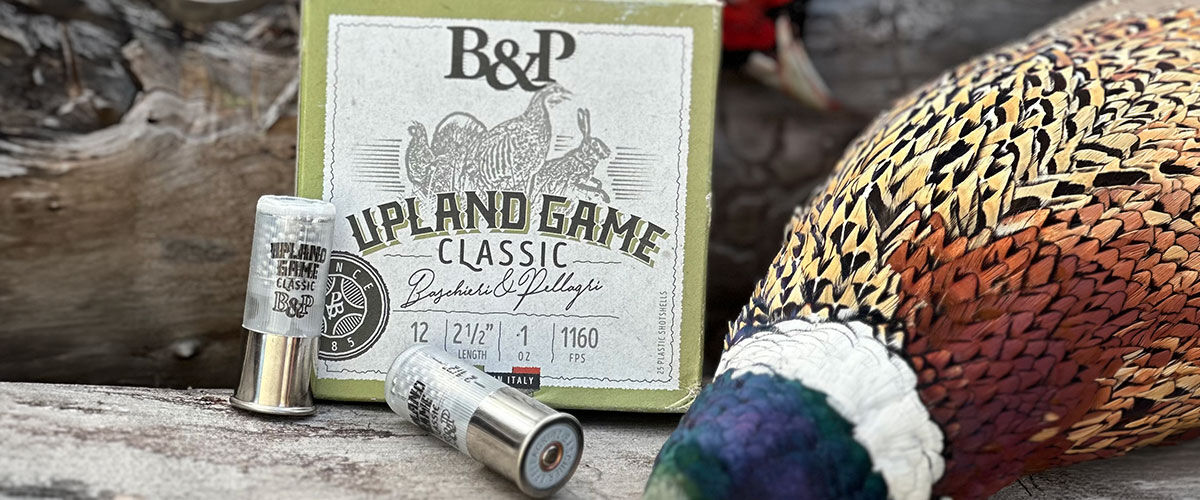
If you could only choose one pheasant load for the entire season, a strong case can be made for a quality 12-gauge load carrying 1 ¼ ounces of #5 or #6 shot. This combination offers excellent pattern density, strong downrange energy, versatility across varying conditions, and proven performance on wild birds. The exact choice often comes down to hunting style, expected shot distances, and personal confidence.

Final Thoughts
Pheasant hunting is a pursuit built on tradition, hard miles, good dogs, and memorable flushes. While no magic load guarantees success, choosing ammunition that matches the conditions can dramatically improve your effectiveness in the field.
For early-season birds, #6 shot remains one of the most versatile choices available. As conditions become more demanding and the birds wiser, #5 shot often provides the additional energy and penetration needed for consistent success.
Combine the right load with thoughtful scouting, quality habitat, and a trusted bird dog, and you’ll be well prepared for one of upland hunting’s greatest challenges – the wild rooster pheasant.
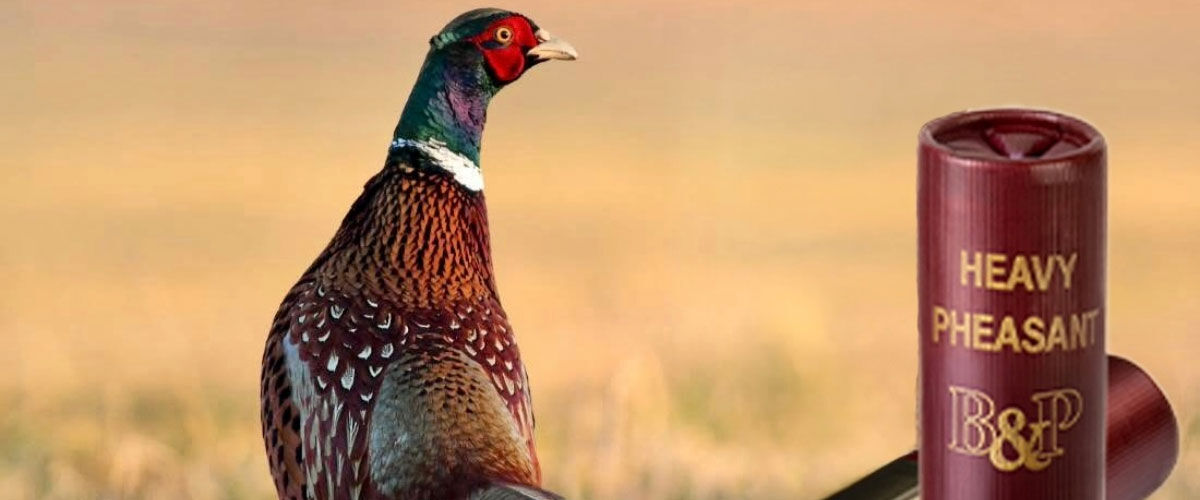
Heavy Pheasant
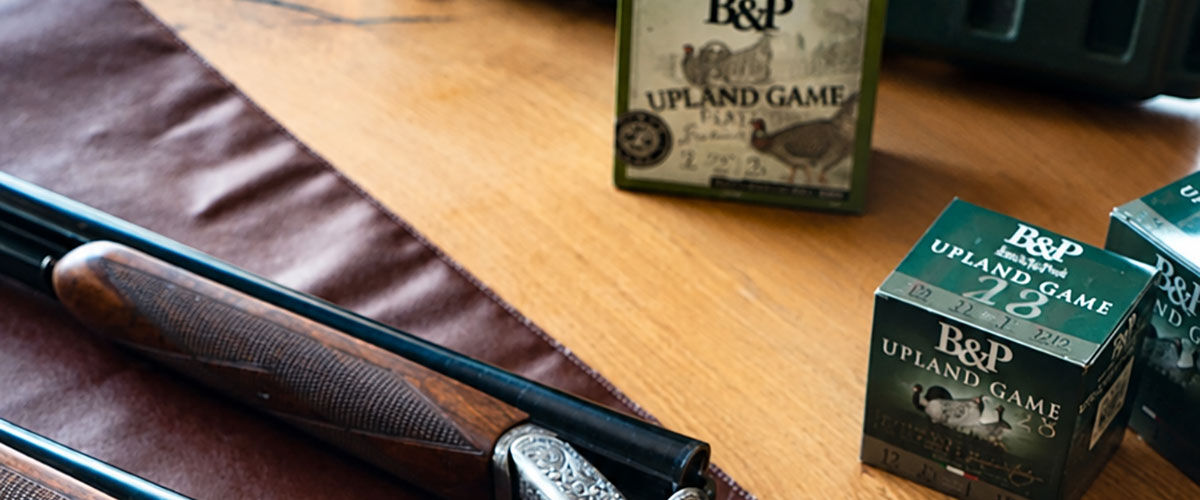
Upland Game Classic
Upland Game