Best Dove Loads and Hunting Tips for Opening Day


For many hunters, dove season marks the unofficial start of fall. It’s a chance to reconnect with friends, spend a day in the field, and enjoy one of the most challenging wingshooting pursuits in North America. While doves may be small birds, they are anything but easy targets. Their speed, agility, and unpredictable flight patterns demand good shooting – and the right ammunition.
One of the most common questions new and experienced hunters alike ask is, “What’s the best load for dove hunting?” While there are several effective options, understanding how shot size, payload, and velocity work together can help you choose a load that delivers more broken birds and fewer missed opportunities.
Understanding Dove Behavior
One of the reasons dove hunting can be so addictive is that no two hunts are exactly alike. Unlike waterfowl, doves rarely commit predictably to decoys, and unlike upland birds, they can appear from virtually any direction. Success often comes from understanding where birds want to be and positioning yourself accordingly.
Early in the season, doves are primarily focused on food, water, and grit. Agricultural fields containing sunflowers, wheat stubble, milo, or harvested corn often attract large concentrations of birds. Water sources such as stock ponds, tanks, and small creeks can also become hotspots, particularly during hot weather. Hunters who scout these areas before opening day usually get more shooting opportunities and less guesswork.
Perhaps the most overlooked aspect of dove hunting is flight lines. Doves are creatures of habit and frequently travel the same routes between feeding, watering, and roosting areas. Rather than setting up directly in the middle of a field, experienced hunters often position themselves along these travel corridors where birds naturally funnel overhead.
Why Dove Hunting Is More Challenging Than It Looks
A mourning dove weighs only a few ounces, but it makes up for its small size with speed. Doves can exceed 50 miles per hour in flight, frequently changing direction without warning and presenting difficult crossing shots.
Because of this, dove hunting isn’t about raw pellet energy. Instead, success often comes from delivering a dense pattern that places multiple pellets into a fast-moving target. The best dove loads strike a balance between pattern density, manageable recoil, and sufficient energy to cleanly harvest birds at typical hunting distances.
Shot Size, Payload, and Velocity...What’s the Best?
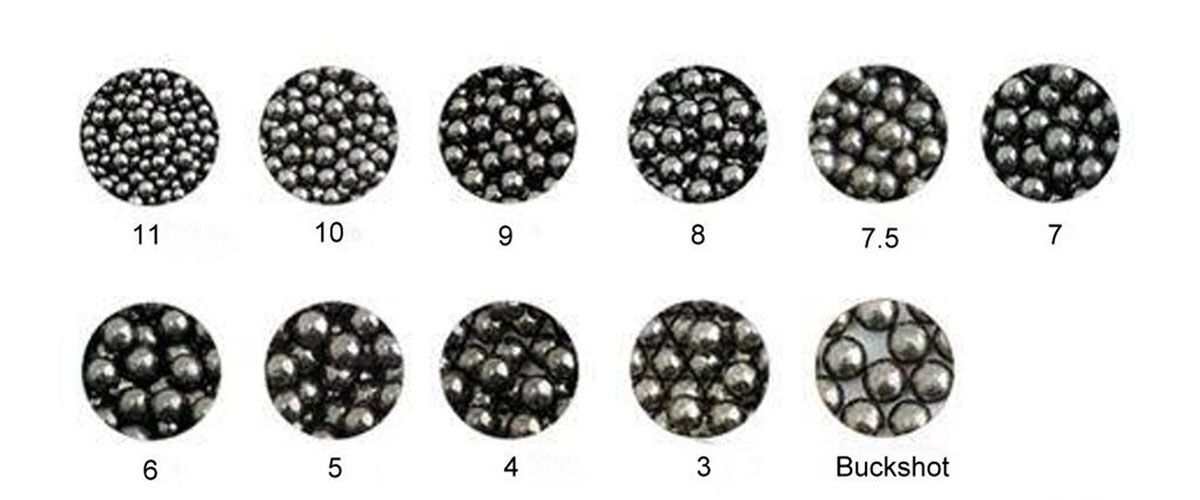
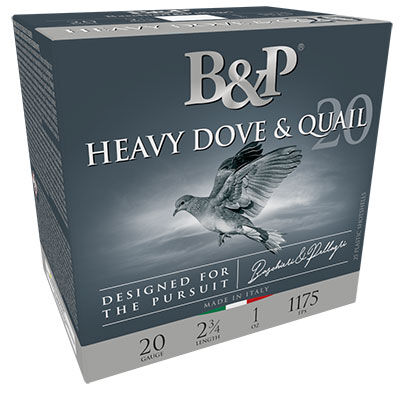
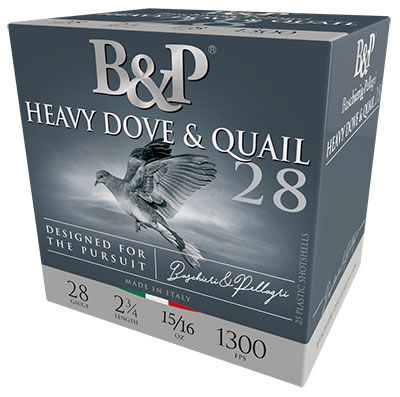
When it comes to dove hunting, two shot sizes consistently rise to the top: #7 ½ and #8 shot. Both provide the pellet counts needed to create dense, forgiving patterns while still carrying more than enough energy for clean kills on doves.
#8 shot is often favored for decoying birds and closer-range shooting because of its higher pellet count. The increased pellet count can make connecting with fast, darting targets a bit easier. #7 ½ shot offers slightly larger pellets that retain energy better at longer distances. Hunters expecting higher birds or longer crossing shots often gravitate toward this size.
For most situations, either choice is highly effective, and many hunters simply select the one that patterns best in their shotgun.
The amount of shot contained in a shell, commonly referred to as the payload, also influences performance. Traditional dove loads typically use either 1 or 1 ⅛. A 1-ounce load generally produces lighter recoil, making it an excellent option for high-volume shooting. This can be especially beneficial during opening weekend when hunters may fire multiple boxes of shells throughout the day. A 1 ⅛-ounce load increases pellet count and pattern density, providing a little more forgiveness on marginal hits. For many hunters, it represents the ideal balance between recoil and performance.
A common misconception is that faster is always better. While velocity certainly plays a role in shotgun performance, extremely high velocities aren’t necessarily required for successful dove hunting.
Most effective dove loads fall within the 1200 to 1300 feet-per-second range. Loads in this velocity window deliver excellent performance while maintaining comfortable recoil. For hunters expecting to shoot large volumes of ammunition throughout the day, moderate-velocity loads often prove easier to shoot consistently than ultra-fast alternatives.
All in all, these are the three main variables we need to consider when evaluating dove hunting loads. Which combination of shot size, payload, and velocity also depends on what gauge or bore of shotgun you are using and your own personal preferences and experience level.
The Best Dove Hunters Usually Aren’t the Best Shots
Ask a group of experienced dove hunters what makes someone successful, and many will tell you it isn’t shooting ability – it’s setup.
The hunter who spends an evening scouting often outperforms the hunter with the most expensive shotgun. A simple fence line, a lone tree, a power line, or a gap in a hedgerow can create natural travel routes that concentrate birds. Finding locations before opening morning often means the difference between watching doves fly by in the distance and having them consistently within range.
Concealment also matters more than many hunters realize. Doves have excellent eyesight and can quickly flare from obvious movement. Sitting in the shade, wearing muted colors, and remaining still until birds commit can dramatically increase shot opportunities.
Why Consistency Matters
When discussing dove ammunition, conversations often focus on shot size and velocity. However, one of the biggest differences between average and premium ammunition is consistency.
Consistent powder charges, uniform shot, high-quality wads, and hardened shot all contribute to more predictable performance. This translates into more consistent patterns, more reliable leads, and greater confidence when birds are working overhead. During a fast-paced dove hunt, consistency matters. Every shell should perform the same as the last.
Premium Loads and High-Volume Shooting
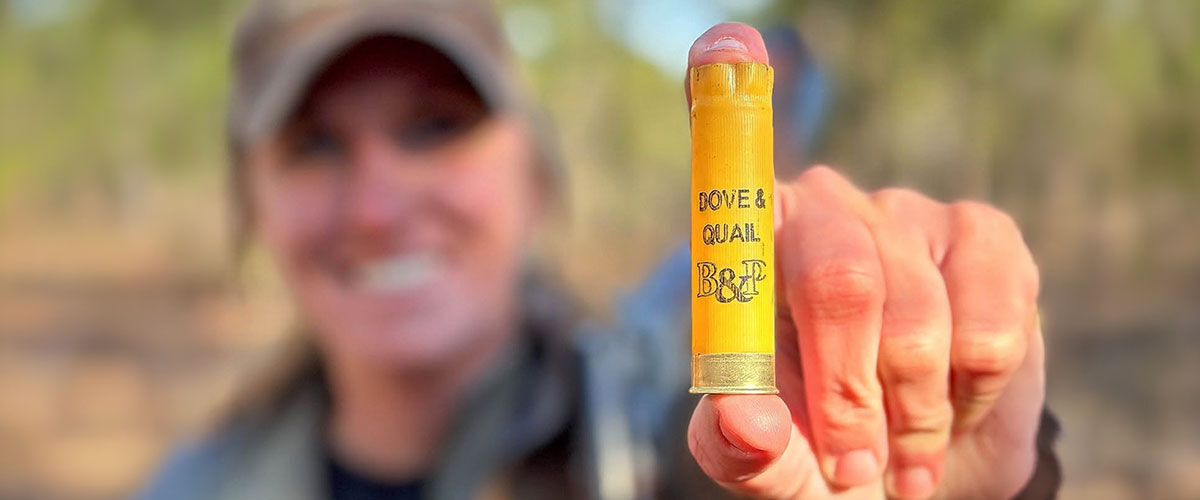
Opening day dove hunts can easily involve a hundred shots or more. In these situations, premium ammunition often reveals its advantages.
Quality target and field loads typically feature cleaner-burning powders, more uniform components, and higher quality shot. The result is smoother recoil, cleaner barrels, and more consistent patterns throughout the day. These advantages may seem subtle individually, but they add up over a long afternoon in the field.
Regional Dove Hunting Tactics
One unique aspect of dove hunting is how much it varies across North America.
In Texas, Oklahoma, Kansas, and much of the southern plains, hunters often focus on agricultural fields and stock tanks. Large concentrations of birds can produce fast-paced shooting, especially during the first few weeks of the season.
Across the Southeast, harvested grain fields, power line corridors, and managed dove fields are often the primary focus. Hunters often encounter high-volume shooting opportunities as migratory birds begin moving south.
In the Midwest, cut corn fields, wheat stubble, and sunflower plots often attract both resident and migrating birds. Weather can play a major role, with cold fronts sometimes bringing sudden influxes of fresh birds.
Western dove hunters often concentrate around water sources. In many arid regions, ponds, irrigation canals, and stock tanks become natural gathering points, particularly during warm early-season conditions.
While the terrain and tactics may differ, one thing remains constant: successful hunters spend more time scouting than shooting.
Final Thoughts
Dove hunting is one of the purest forms of wingshooting, and choosing the right ammunition and location can make a significant difference in your success. By focusing on appropriate shot size, balanced payloads, consistent performance, and situational awareness, you’ll be better equipped to make clean, ethical shots throughout the season.
Whether you’re hunting over a sunflower field on opening day or spending a late-season afternoon with friends, the right dove load can help turn more opportunities into birds in the bag.
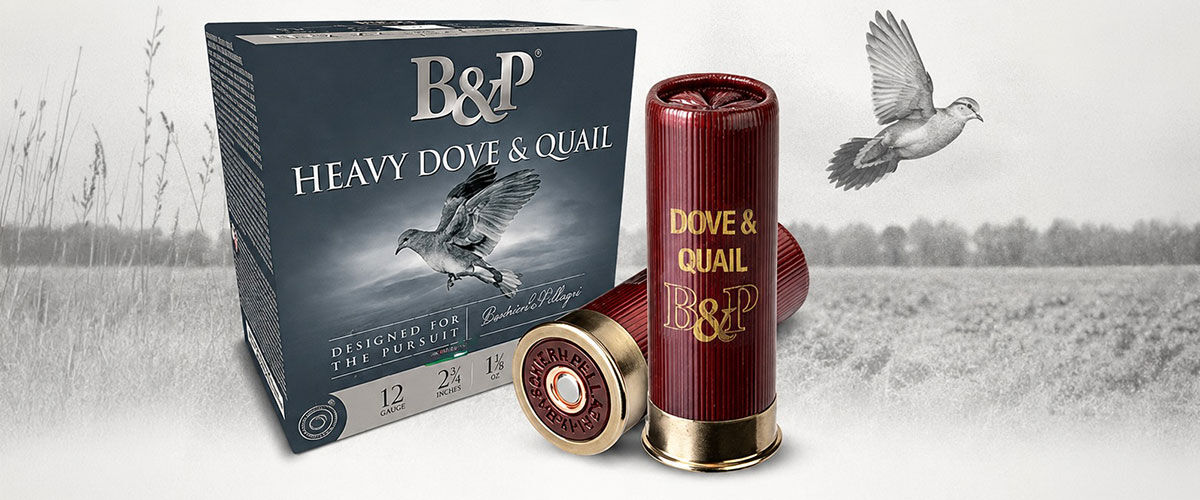
Heavy Dove & Quail
Upland Game Classic
Upland Game